Why it matters
60M+
South Asian Muslims in the global diaspora (est.)

Eid is the most significant
moment in the calendar for
South Asian Muslim
communities worldwide
Two celebrations — Eid al-Fitr marking the end of Ramadan, and Eid al-Adha marking the culmination of Hajj — that together represent the highest points of religious observance, family gathering, gifting, and community celebration across the global South Asian Muslim diaspora.
For brands, Eid is a commercial window with the same intensity of engagement as Diwali, the same concentration of spending, and the same requirement for cultural accuracy. And like Diwali, it is a window where the gap between campaigns that land and campaigns that do not comes down entirely to whether the brand understood who it was talking to before it started.
That is not because the opportunity is small. It is because most agencies do not know how to build one.
60M+
South Asian Muslims in the global diaspora (est.)
Muslims of South Asian origin in the UK alone
1M+
Pakistani and Bangladeshi residents in the UAE
2 EIDs
Eid al-Fitr and Eid al-Adha each drive distinct spending spikes
Top categories:
Gifting, Fashion, Food, Travel, Financial Services
Understanding where the South Asian Muslim diaspora is concentrated is the starting point for any Eid campaign strategy.
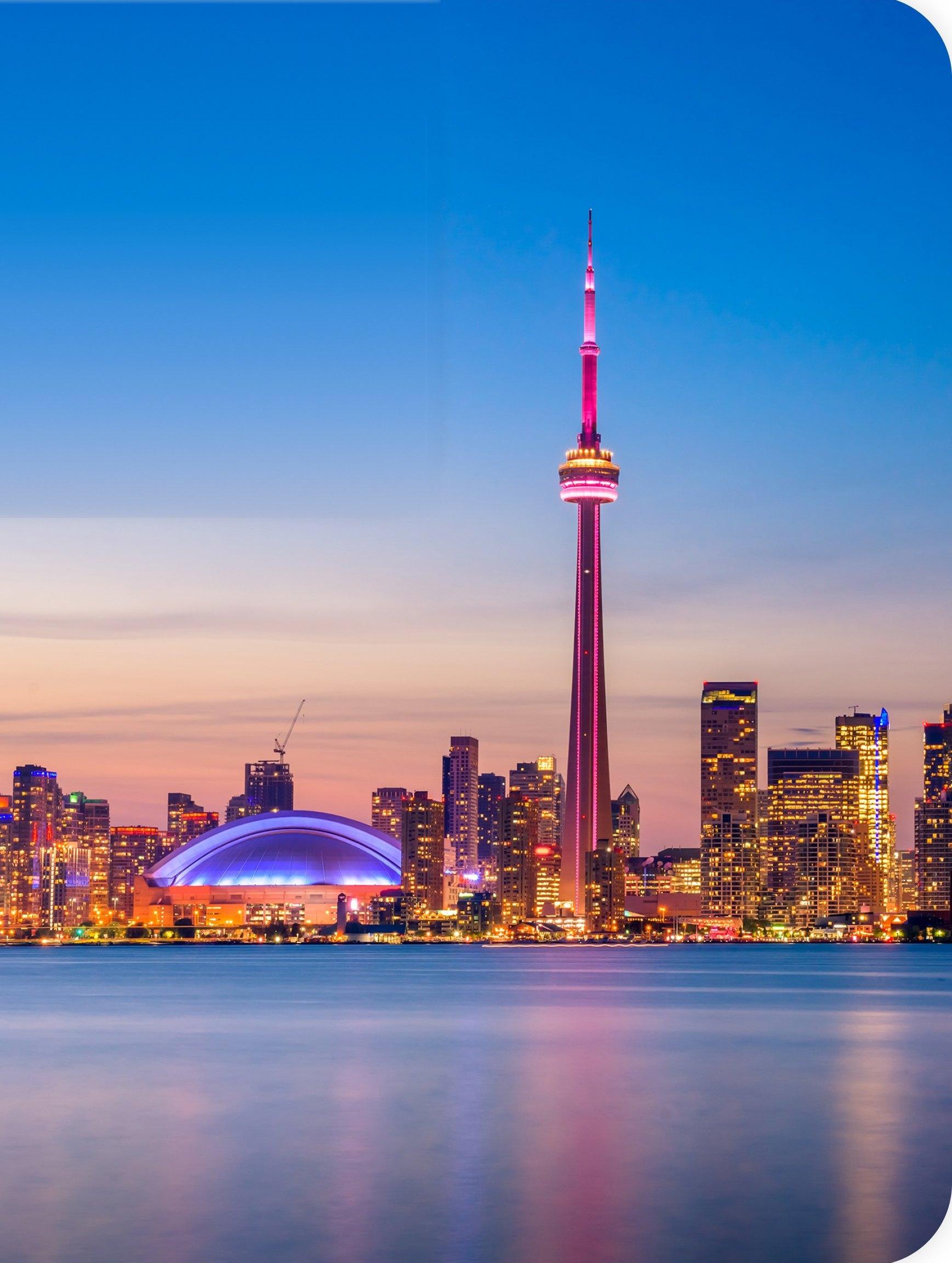
Canada's South Asian Muslim community has grown significantly through skilled migration and refugee pathways, with strong concentrations in Toronto, Vancouver, and Calgary. The Canadian Eid celebration culture combines mosque-centred community events with large public Eid festivals in major cities.
Why the Distinction Matters
Most brands that attempt an Eid campaign treat the two EIDs as interchangeable. They are not. Getting this wrong is one of the most visible signals to a South Asian Muslim audience that a brand has not done its homework.
The Eid most associated with gifting, new clothes, family gatherings, and the joy of breaking a month of fasting. Commercial energy is highest in the weeks immediately preceding it, when families are buying clothes, preparing gifts, and planning celebrations. The tone is celebratory, warm, and family-centred. Spending across fashion, jewellery, food, and gifting peaks sharply in the final week of Ramadan and on Eid day itself.

Celebrated roughly seventy days after Eid al-Fitr, this Eid carries a more solemn religious significance connected to sacrifice, charity, and the Hajj pilgrimage. Meat and food categories dominate. Charitable giving spikes. Travel to Saudi Arabia and back to home countries increases. Fashion and gifting are present but less dominant. Campaign tone needs to respect the religious weight of the occasion.
A campaign built for Eid al-Fitr repurposed for Eid al-Adha without adjustment tells the audience immediately that the brand does not understand the distinction. It is the equivalent of using Christmas creative for Easter because both involve family gatherings.
Eid has its own distinct visual language. Crescents and stars, mosque architecture, lanterns, the specific greens and golds associated with Islamic art and celebration. Swapping a Diwali colour palette for green and adding a crescent to the corner of an existing template is not an Eid campaign. It is a rebrand of something that was never built for this audience.
The South Asian Muslim diaspora speaks Urdu, Punjabi, Bengali, and Gujarati, depending on which community is being targeted. A UK campaign targeting British Pakistanis in Bradford needs Urdu-language creative. A campaign targeting British Bangladeshis in Tower Hamlets needs Bengali. A single English-language campaign with a generic South Asian Muslim assumption built in misses the linguistic reality of almost every specific community it is trying to reach.
Eid al-Fitr does not begin on Eid day. It is the culmination of Ramadan, a thirty-day period of heightened religious observance, community gathering, and evening socialising through Iftar. Brands that show up on Eid day have missed the relationship-building opportunity of the entire preceding month. The brands that engage meaningfully during Ramadan — with relevant content, community-facing activations, and products suited to the Iftar and Suhoor moments — are the ones the community associates with the full season, not just a single day.
Built separately, briefed separately, with distinct visual language, tonal register, and campaign objectives for each. Not a single Eid template applied twice a year.
01
A campaign arc that begins in the first week of Ramadan, builds through Iftar content and community engagement, and peaks in the final week before Eid. Brands that only activate on Eid day are arriving after the relationship has already been built or missed.
02
Urdu for Pakistani-origin communities. Bengali for Bangladeshi-origin communities. Punjabi where relevant for UK and Canadian markets. Creative reviewed for cultural and religious accuracy by community members, not just translated from English.
03
Islamic geometric patterns, crescent and star motifs, mosque and community imagery used with the respect and accuracy that a community with deep religious attachment to these symbols will notice and appreciate — or notice the absence of.
04
South Asian Muslim communities are active on WhatsApp community networks, YouTube in Urdu and Bengali, and a network of South Asian Muslim publishers and creators across every major diaspora market. We place campaigns within this ecosystem, not just on mainstream platforms with a demographic filter applied.
05
Zakat and charitable giving are central to both Eids, particularly Eid al-Adha. Brands in financial services, retail, and food that can authentically integrate a charitable giving dimension into their Eid campaign connect with the community at a values level that pure promotional messaging does not reach.
06
Toronto, Vancouver, and Calgary have active South Asian Muslim communities with strong mosque and cultural association networks. Eid festivals in Toronto's Celebration Square and similar public venues draw large community turnout and create event tie-in opportunities for brands. See our Eid campaign strategy for Canadian South Asian audiences .
Eid comes twice a year. Both windows require preparation, cultural accuracy, and the right language and community access to do properly. The brands that build Eid campaigns correctly reach an audience that is highly brand-loyal to the companies that show up for their most important celebrations with genuine understanding. Building a diaspora festival calendar?
See our Diwali marketing campaigns for NRI audiences and Onam campaign strategy for the Malayalee diaspora.
Two Eids, Two Windows
One chance each year to get each one right.
Book A Free Strategy Call