NRIadvertising

Holi Marketing Campaigns for Brands

Holi is unlike any other festival in the Indian diaspora marketing calendar.

It is loud, visual, communal, and increasingly mainstream — a festival that has crossed cultural boundaries in diaspora cities in a way that no other Indian festival has managed at the same scale. In New York, Toronto, Melbourne, and London, Holi events now draw thousands of non-Indian participants alongside the diaspora, making it the one moment in the Indian cultural calendar where the audience is simultaneously the NRI community and the city it lives in.

For brands, that crossover creates a distinct and underused opportunity. Holi is not just a diaspora campaign. In the right markets, it is a mainstream cultural moment with a diaspora at its centre. Most brands have not worked out how to use it yet.

Book A Free Strategy Call
Holi moments: colour powder thrown in the air, a woman dancing in pink powder, hands holding heaps of coloured powder, and a crowd celebrating

Why Holi Is Different From Every Other Festival in the Diaspora Calendar

Every major Indian festival celebrated by the diaspora carries cultural weight. Diwali, Onam, Eid, Christmas — all of them are deeply significant to the communities that celebrate them, and all of them require cultural accuracy and community understanding to reach those communities well.

Holi shares those requirements, but adds something none of the others have at the same scale. Mainstream crossover. Holi's visual identity — colour, water, celebration, community — translates across cultural boundaries in a way that is immediately accessible to people who have never participated in it before.

The Crossover

Indian Diaspora

Celebrating With Full Cultural Intensity

Mainstream City

Engaging with Indian culture, often for the first time

This creates a dual audience dynamic that no other festival in the diaspora calendar offers. The Indian diaspora is celebrating their festival with full cultural intensity. Non-Indian participants are engaging with Indian culture, often for the first time, in a context that is joyful and accessible rather than requiring cultural knowledge to participate.

For brands, this means Holi can do two things simultaneously that most diaspora campaigns cannot. It can reach the NRI community with culturally rooted creative that speaks to what Holi actually means to them. And it can reach a broader mainstream audience through the crossover moment that Holi events in diaspora cities create, using the Indian diaspora's festival as a bridge into a wider cultural conversation.

What Holi Actually Means to the Indian Diaspora

Before building a Holi campaign, it is worth understanding what Holi means to the NRI communities it needs to reach, because the crossover opportunity only works if the campaign is rooted in cultural authenticity first.

  • A Holika Dahan bonfire blazing at night

    Holika Dahan

    The bonfire of Holika Dahan on the eve of Holi is the religious and mythological anchor of the festival.

  • Cupped hands covered in bright Holi colour powder

    Rangwali Holi

    The colour celebration of Rangwali Holi that follows is the cultural expression most visible to the outside world.

For the Indian diaspora, Holi carries a specific emotional weight. It is one of the most viscerally joyful festivals in the Indian calendar — a rare occasion where social hierarchies dissolve, where strangers become participants in the same celebration, where the physical act of throwing colour is itself an expression of connection and release. In a diaspora context, where community bonds are maintained deliberately against the pressures of distance and assimilation, Holi's emphasis on communal celebration and the breaking down of barriers carries additional resonance.

The NRI audience celebrating Holi is not celebrating a quaint cultural tradition for the benefit of a Western audience. They are celebrating something that matters to them, that connects them to home, and that brings their community together in one of its most joyful annual moments. Brands that understand this — that approach Holi with the same cultural seriousness they would bring to Diwali or Onam — earn the same community trust that culturally accurate Diwali and Onam campaigns earn.

Brands that approach Holi as a convenient visual opportunity — colourful, photogenic, easy to make into content — without that underlying cultural understanding produce campaigns that the diaspora recognises immediately as performance rather than genuine engagement.

The Crossover Opportunity — What It Is and How to Use It

The mainstream crossover that Holi has achieved in diaspora cities is real, significant, and commercially useful. But it requires careful handling to use correctly. The crossover works because Holi's surface-level experience — colour, water, music, outdoor celebration — is genuinely enjoyable and accessible to people who did not grow up with the festival.

Public Holi events in cities like New York, Toronto, London, and Melbourne attract non-Indian participants not out of cultural appropriation but out of genuine joy in the experience. That participation is a commercial opportunity because it extends the reach of Holi-themed campaigns beyond the Indian diaspora to a broader urban audience in exactly the markets where NRI populations are concentrated.

The Opportunity

Holi's surface-level experience — colour, water, music, outdoor celebration — is genuinely enjoyable and accessible to people who did not grow up with the festival. Public Holi events in cities like New York, Toronto, London, and Melbourne attract non-Indian participants not out of cultural appropriation but out of genuine joy in the experience. That participation is a commercial opportunity because it extends the reach of Holi-themed campaigns beyond the Indian diaspora to a broader urban audience in exactly the markets where NRI populations are concentrated.

VS

The Risk

The crossover opportunity is losing the cultural authenticity that makes Holi meaningful to the diaspora in the first place. A Holi campaign that is built entirely around the colour-and-spectacle surface of the festival, with no acknowledgement of what Holi actually means or who actually celebrates it, will reach the mainstream crossover audience while missing the diaspora community the campaign is supposed to centre.

That dual credibility is what a well-executed Holi campaign builds. And it is significantly harder to achieve than either a purely diaspora-targeted campaign or a purely mainstream-targeted one.

What Most Holi Campaigns Get Wrong

  • They lead with the colours and forget the culture

    Colour powder photography is visually spectacular. It also dominates the Holi campaign output of every brand that attempts the festival without genuine cultural understanding. The diaspora can tell immediately which brands used Holi as a visual opportunity and which brands actually understand what they are celebrating.

  • They ignore Holika Dahan entirely

    The bonfire ceremony of Holika Dahan on the eve of Holi is the religious and mythological foundation of the festival. Brands that only activate on Rangwali Holi are showing the diaspora audience that their knowledge of the festival begins and ends with what it looks like on Instagram.

  • They use a single pan-Indian template

    Holi is celebrated differently across India's regions, and those regional differences follow diaspora communities into the markets where they are settled. Holi in a Punjabi community in Canada looks and feels different from Holi in a Gujarati community in London or a UP-origin community in the UAE.

  • They miss the timing

    Holi falls on a different date each year, determined by the Hindu lunar calendar. The lead-up period of Holika Dahan the evening before and the community events that precede it in many diaspora cities requires campaign planning that begins weeks in advance, not a single activation on the day of Rangwali Holi.

What a Strong Holi Campaign Actually Includes

Built on what Holi means — the triumph of good over evil, the arrival of spring, the dissolution of social barriers through communal celebration — not just what it looks like. The visual language of colour is grounded in cultural understanding rather than used as a substitute for it.

Cultural Depth Beneath the Visual Spectacle

01

Campaign content begins with Holika Dahan acknowledgement and builds through Rangwali Holi. Pre-festival content builds cultural engagement. Festival-day content captures peak participation. Post-festival content extends the conversation into the community response.

Full Festival Arc, Holika Dahan to Rangwali Holi

02

Hindi for North Indian diaspora communities. Punjabi for the large Punjabi diaspora in Canada and the UK. Gujarati for communities in London and Toronto. Bhojpuri and Awadhi references for UP and Bihar-origin communities in the Gulf.

Regional Language and Community Variants

03

New York's Holi events in Central Park and Prospect Park. Toronto's Holi Festival of Colours. London's Holi One event. Melbourne's celebrations in Dandenong and the CBD. We identify the highest-attendance events in each market and build placement around them.

Event Tie-in Strategy

04

Creative that works for the Indian diaspora at a cultural depth level while simultaneously engaging the mainstream crossover audience. Not two separate campaigns — one campaign that holds both audiences through different entry points.

Dual-Audience Creative Execution

05

Holi's visual character and its appeal to younger audiences makes it one of the most naturally suited festivals in the diaspora calendar for Instagram Reels, YouTube Shorts, and creator-led content. We build campaigns with a social and video-first creative strategy, using diaspora and mainstream creators in partnership where the crossover dynamic calls for it.

Youth-First Platform Strategy

06

Markets Where We Run Holi Campaigns

Canada

Toronto and Vancouver have large North Indian and Punjabi diaspora communities for whom Holi is a major celebration. Public Holi events in Toronto draw significant mainstream participation alongside the diaspora, making it one of the strongest crossover markets for Holi campaign strategy. See our Holi campaign strategy for the Canadian Indian diaspora .

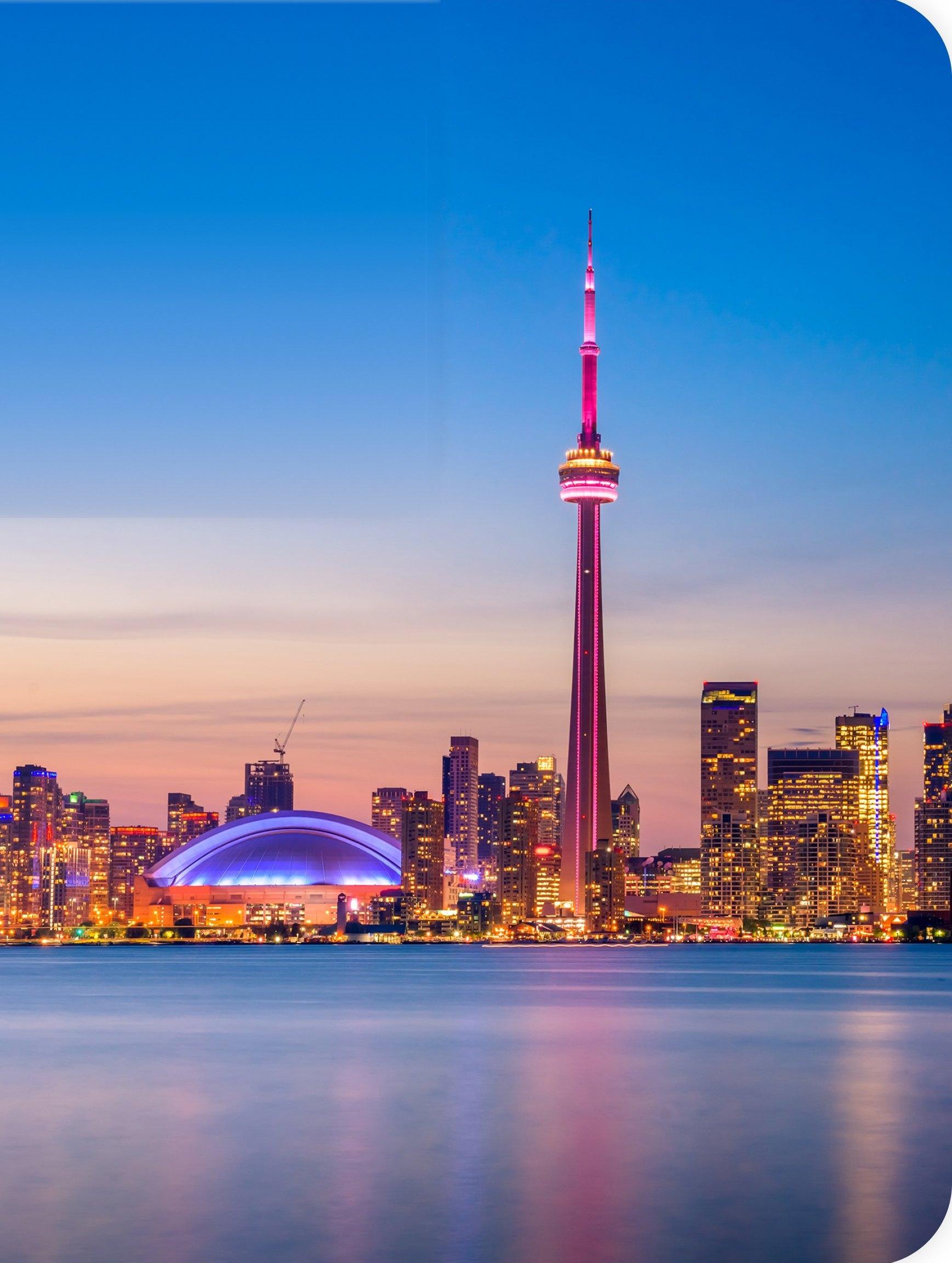
Toronto skyline and the CN Tower at dusk

Who We Help With Holi Campaigns

  • Brands in consumer goods, fashion, food and beverage, technology, and entertainment that want to reach both the Indian diaspora and a broader mainstream urban audience through the crossover opportunity that Holi uniquely offers.
  • Indian brands entering diaspora markets who want to use Holi as a culturally grounded entry point into the NRI community conversation.
  • Brands that have attempted Holi campaigns before, produced colour-powder content, and found diaspora audiences unmoved by creative that was visually on-theme but culturally shallow.

Holi is one campaign moment where getting the cultural depth right unlocks both the diaspora audience and the broader mainstream. Getting it wrong produces content that neither audience fully trusts. Building a full festival calendar?
See our Diwali marketing campaigns for NRI audiences and Onam campaign strategy for the Malayalee diaspora.

Friends celebrating Holi with clouds of bright colour powder

Holi is the one moment in the Indian diaspora calendar where cultural authenticity and mainstream appeal are not in tension. They reinforce each other — if the campaign is built correctly.

One chance each year to get each one right.

Book A Free Strategy Call